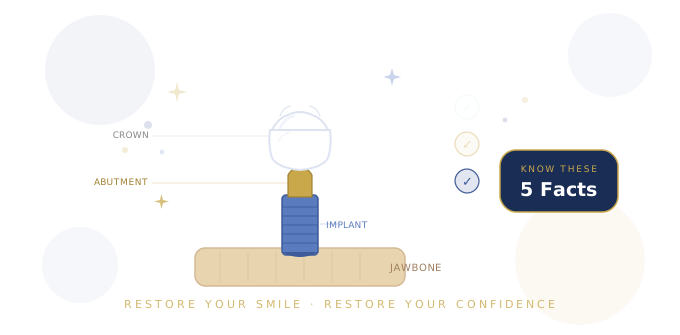
Dental implants are considered one of the most advanced and long-lasting solutions for replacing missing teeth. They look natural, feel comfortable, and help restore chewing function.
However, before choosing dental implants, patients should understand a few important points about eligibility, bone health, healing, cost, and maintenance.
1. Dental Implants Replace the Tooth Root
Unlike removable dentures or bridges, dental implants are placed into the jawbone and act like artificial tooth roots. Once healed, they support a crown, bridge, or denture.
2. Bone Density is Important
For a dental implant to stay stable, there must be enough healthy jawbone. If bone loss has occurred, your dentist may suggest bone grafting before implant placement.
3. Not Everyone Has the Same Treatment Plan
Every patient is different. Your implant plan depends on:
- Number of missing teeth
- Gum condition and bone support
- Oral hygiene and medical history
- Overall dental health
4. Healing Takes Time
After implant placement, the jawbone needs time to fuse with the implant. This process is called osseointegration and may take a few weeks to a few months depending on the case.
5. Long-Term Care is Essential
Dental implants cannot get cavities, but the gums and bone around them still need proper care:
- Back molars
- Inner surfaces of teeth
- Along the gumline
- Behind lower front teeth
Long-Term Care Tips
Brush twice daily with a soft-bristle toothbrush
Floss once daily around the implant area
Visit your dentist for regular check-ups
Avoid hard foods that may stress the implant
Are You a Good Candidate?
- One or more missing teeth
- Healthy gums with no active infection
- Sufficient bone support in the jaw
- Good overall oral hygiene habits
A consultation with an implant specialist can help confirm the best option for your case.
Final Thoughts
Dental implants can restore your smile, confidence, and chewing comfort. With proper planning and care, they can be a strong long-term solution for missing teeth.